
Why Your Years On The Job May Qualify You For Roundup Compensation
Roundup was marketed as routine and safe. On many job sites, it was treated like any other tool on the truck: spray the weeds, rinse the tank, move on to the next field or facility. The people now facing non-Hodgkin lymphoma and other blood cancers are often the ones who spent years doing exactly that work in specific regions, crops, and industries where glyphosate use was heaviest.
Public data shows just how concentrated that use became. In Nueces County, Texas, more than 1,100 pounds of glyphosate were sprayed per square mile, the highest rate in the United States. Heavy use also shows up across the Corn Belt in states like Iowa and Illinois, where corn and soybeans dominate the landscape. When those numbers are matched with job titles and work histories, a clear picture of who is most at risk starts to emerge, and an experienced national Roundup cancer lawyer can use that picture to support a claim for compensation.
Row-Crop Farm Workers In The Midwest
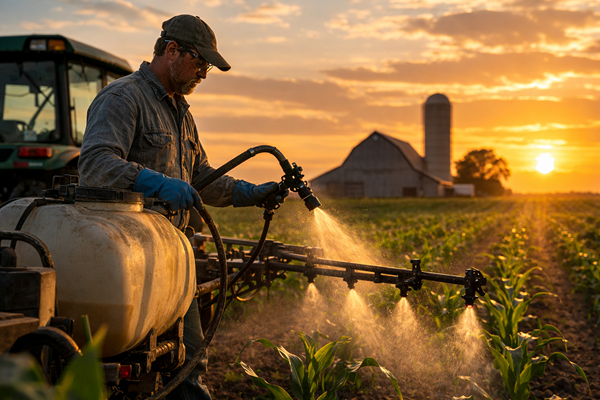
Large row-crop operations turned Roundup into a routine part of weed control. Farmers across the Midwest used an estimated 188.7 million pounds of glyphosate in 2016 alone, with Illinois, Indiana, Iowa, and Nebraska at the center of that surge. For many workers in those states, exposure was built into nearly every growing season.
Jobs in this group often include:
- Field Applicators: Workers in Iowa, Illinois, Indiana, Nebraska, Kansas, and Missouri who mixed, loaded, and sprayed Roundup on corn and soy fields multiple times a year.
- Farm Laborers: Employees who rinsed tanks, cleared clogged nozzles, handled wet hoses, and washed contaminated clothing.
- Custom Spraying Crews: Contractors who traveled from farm to farm across the Midwest, applying Roundup on hundreds of acres a week.
In places like eastern Iowa or central Illinois, it was common for one worker to spend years around Roundup from planting through harvest with little protective guidance and no warning about long-term cancer risk.
Orchards, Vineyards, And Specialty Crops
Outside the Corn Belt, Roundup was heavily used under trees and vines where hand-weeding was impractical. That put orchard and vineyard workers in some of the highest exposure paths.
Roles at particular risk include:
- Orchard Workers: Employees in regions like Washington’s Yakima Valley, California’s Central Valley, and Florida’s citrus belt who sprayed under fruit trees and along access roads.
- Vineyard Crews: Workers in Napa and Sonoma in California, the Willamette Valley in Oregon, and emerging wine regions who used Roundup between vine rows, around posts, and near irrigation lines.
- Nursery Yard Staff: Laborers at large plant nurseries in states such as Florida, Georgia, and North Carolina who used Roundup to keep holding yards, loading areas, and fence lines clear.
These jobs often involved repeated spraying in tight spaces, with workers walking through freshly treated areas and handling equipment soaked in glyphosate residues.
Golf Courses, School Grounds, And Parks
Many Roundup cancer cases trace back to jobs that did not look like “pesticide work” on paper. They looked like maintenance.
Higher-risk positions in this category often include:
- Golf Course Maintenance Crews: Workers on courses in Florida, Arizona, South Carolina, and Texas who sprayed tee boxes, fairway edges, cart paths, bunkers, and water features season after season.
- School District Groundkeepers: Employees in urban districts like Houston, Chicago, Atlanta, and Dallas who kept athletic fields, playground edges, parking lots, and building perimeters weed-free with Roundup.
- Municipal Parks and Recreation Staff: Crews in city and county parks from San Antonio to Cleveland who used Roundup on sidewalks, dog parks, picnic areas, and trailheads.
In all of these roles, Roundup was often applied in public spaces where the focus was on appearance and liability for tripping hazards, not on how many times the grounds crew walked through a cloud of spray.
Railroad, Highway, And Utility Right-Of-Way Crews
Right-of-way work put Roundup in direct contact with crews responsible for keeping lines and corridors clear across long distances.
Jobs that frequently show up in claims include:
- Railroad Vegetation Crews: Workers along freight routes in Texas, Oklahoma, Kansas, and the Upper Midwest who sprayed ballast, sidings, switching yards, and bridge approaches.
- Highway Maintenance Workers: State DOT and county road crews in places like Ohio, Kentucky, and Tennessee who used Roundup along guardrails, medians, signposts, and drainage ditches.
- Utility Corridor Teams: Contract and in-house crews for power and pipeline companies in Louisiana, Texas, Pennsylvania, and West Virginia who cleared access roads and easements with Roundup.
These workers often spent full days around truck-mounted rigs, backpack sprayers, and drift from large-scale applications, with very little long-term health information shared.
Refineries, Plants, And Industrial Facilities
Glyphosate was also used to control vegetation on and around refineries, petrochemical plants, and manufacturing facilities, especially along the Gulf Coast and in heavy-industry hubs.
Common high-exposure roles include:
- Refinery Laborers: Workers in facilities around Houston, Port Arthur, Lake Charles, and Baton Rouge who sprayed tank farms, pipe racks, loading docks, and rail spurs.
- Plant Maintenance Staff: Employees at chemical and manufacturing plants in Texas, Louisiana, and the Ohio River Valley who used Roundup to keep equipment yards and waste areas clear.
- Contract Maintenance Crews: Workers who rotated among multiple plants and refineries, bringing Roundup into nearly every job site they visited.
In many of these environments, Roundup exposure is layered on top of other industrial hazards, which can make the medical picture more complex, but does not erase glyphosate’s role.
What To Do If Your Work History Fits This Pattern
If you spent years in any of these roles and now face non-Hodgkin’s lymphoma or another blood cancer, it is worth having your history reviewed through a legal and medical lens. The timing of your diagnosis, the region where you worked, the crops or facilities you were around, and the way Roundup was used on those sites can all factor into a potential claim.
The Ferrell Law Group handles high-stakes cancer and toxic exposure cases for workers and families nationwide. Our experienced legal team can review your diagnosis, walk through each job you held in areas with the heaviest glyphosate use, and help reconstruct a realistic picture of your exposure for a Roundup claim. With decades of experience, we know how to take on big companies for major results. Our case results include multi-million-dollar payouts.
You don't have to track down every record or remember every date before reaching out. Contact us! A free consultation can help you understand whether your story fits what Bayer is paying for, while you stay focused on treatment and the parts of life that still matter most to you.
"Ferrell Law Group really helped me with my asbestos lung cancer case. I mess up, and James was understanding and patient enough to help me straighten it out." - Larry H., ⭐⭐⭐⭐⭐